

The City That Pretends: New York, Hà Nội - The Cost of Belonging
1. Cities like New York and Hà Nội never love you back. ...

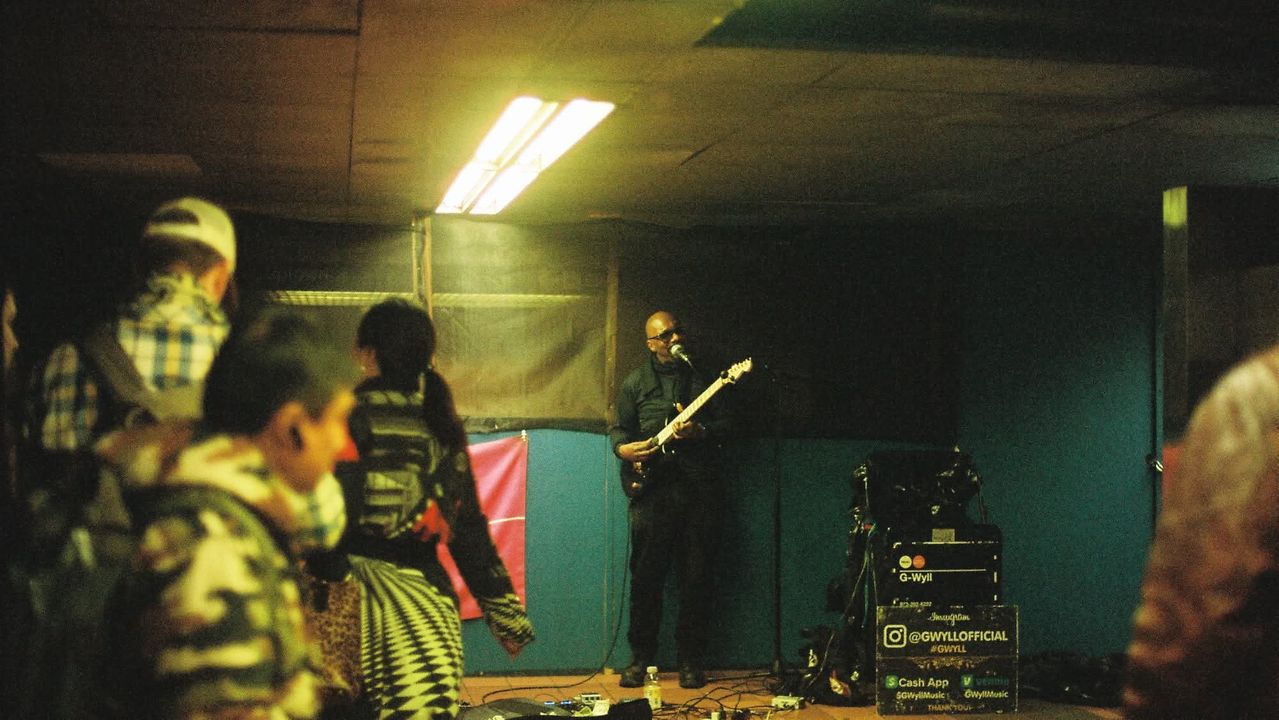
1.
Cities like New York and Hà Nội never love you back.
They don’t hold you when you fail, or notice when you finally leave. They only keep moving - a soft, endless hum of ambition and fatigue.
But in their indifference lies a strange kind of mercy: they let you disappear into the crowd, start over, rehearse a thousand versions of yourself.
Sometimes I think belonging is overrated.
Maybe what keeps us here isn’t belonging at all, but permission - the city’s silent consent to let us pretend, to let us keep trying.
And maybe that’s enough.

Because every morning, when the subway doors close or the motorbikes blur past the lake, the city gives us another chance -
not to become someone real, but to stay in motion long enough to believe that we already are.
2.
In New York, everyone is pretending. Pretending to afford rent, pretending to love the chaos, pretending that exhaustion is a kind of style.
"Rich parents or drugs. Nothing else.”
It was supposed to be a joke. But like most New York jokes, it carried the taste of truth - bitter, ironic, and just slightly glamorous.
Everywhere you go, the city feels like a performance. The deli on the corner doubles as a weed shop; the bartender is an actor in rehearsal for the life he can’t afford. Even normalcy, in New York, is a costume you put on before leaving your apartment.
And yet, everyone still wants to belong.
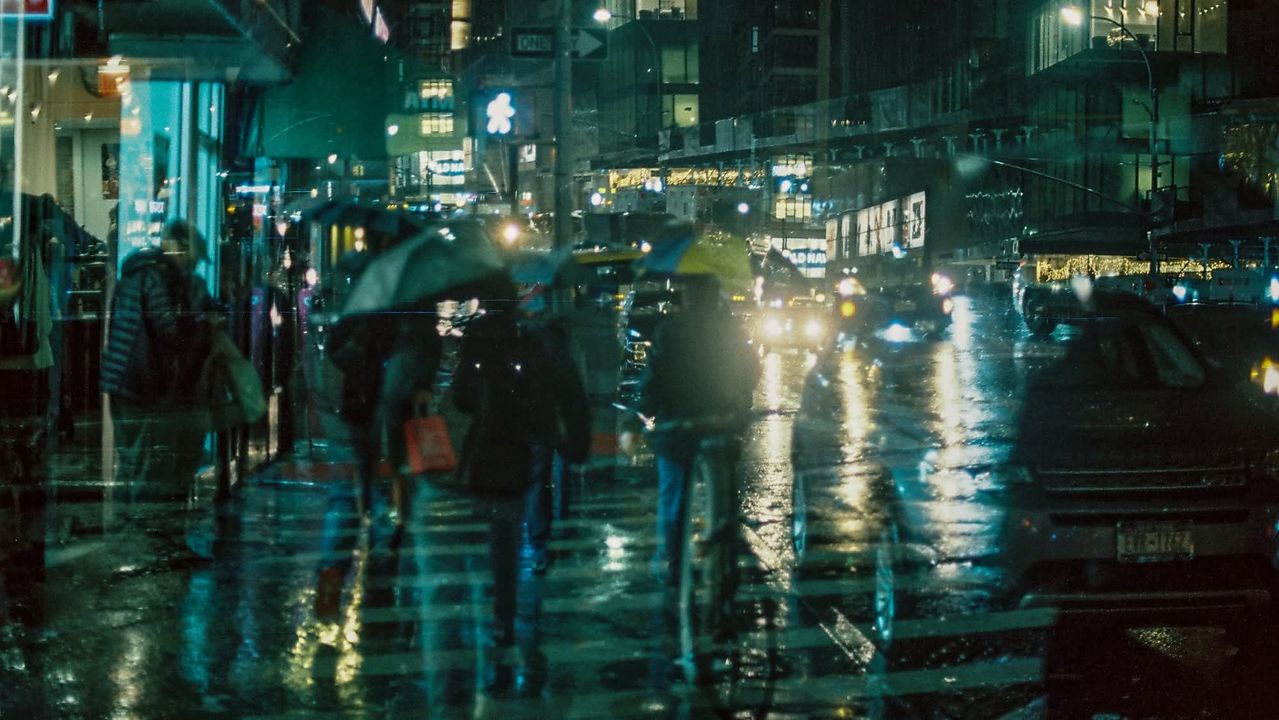
I think about Hà Nội when I hear these stories.
Different continent, same fever.
In Hà Nội, too, people crave that elusive label: “người Hà Nội thực thụ” - a “real Hanoian.” You can live here for fifteen years, pay rent, eat bún chả in the rain, and still be called “người tỉnh lẻ.” Like New York, Hà Nội guards its identity with an invisible gate. It’s not about where you live, but who your grandparents were, how you pronounce certain vowels, whether you walk fast enough but not too fast.
It’s a strange kind of pride: belonging defined by exclusion.
3.
“You can’t become a New Yorker,” one says, “you’re either born one, or you’re not.”
“But I take the subway. I get yelled at by cab drivers. I’ve waited forty minutes for a $6 coffee. Doesn’t that count for something?”
The conversation spirals, but the question lingers:
How long do you have to live in a city before it decides you belong?
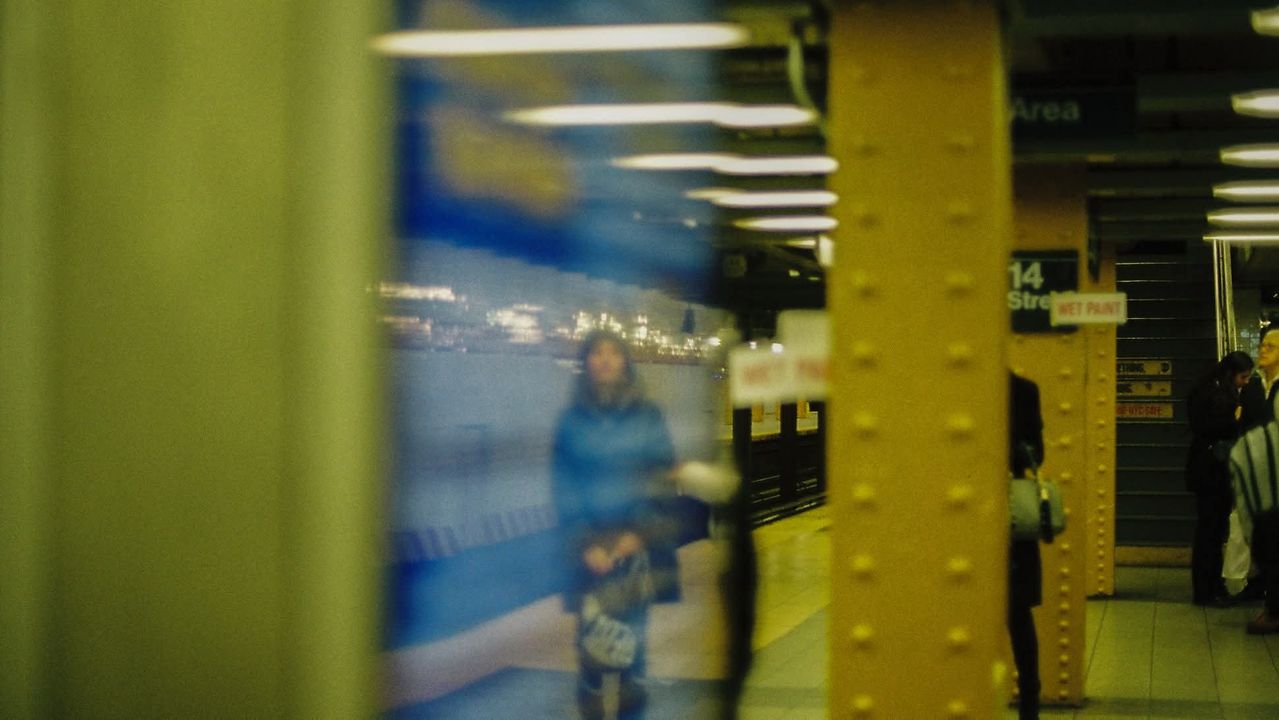
Hà Nội doesn’t answer that either. It smiles politely, pours you another glass of iced tea, and reminds you, softly, that your accent still gives you away.
Both cities are addicted to their own mythology.
New York sells the dream of ambition; Hà Nội sells the nostalgia of grace.
But behind both brands lies the same exhaustion - a quiet, grinding inequality that seeps into every conversation.
In New York, inequality comes in digits: $4,200 rent, $8 coffee, $90 therapy sessions.
In Hà Nội, it comes in gestures: who gets invited to dinner, whose children get into the “right” school, who dares to complain about the air.
Cities like these don’t just shape people; they curate them. They reward those who can pretend the best.
When I walk through Hà Nội’s Old Quarter, I sometimes imagine I’m in Brooklyn.
The same young people in thrifted clothes, drinking overpriced coffee under decaying balconies, pretending they’re somewhere freer than they are.
And maybe they are. Pretending, after all, is the most universal form of hope.
Because that’s the real secret of cities like New York or Hà Nội:
We don’t stay because we’re comfortable. We stay because we need the city to believe in us - even when we don’t quite believe in ourselves.

4.
On a late-night street, think about New York, Hà Nội and other cities that I came by and just wish I was belong to them, the voices blur across continents. The jokes about rent, identity, and survival all land the same.
Maybe every city that people dream about eventually becomes a mirror - it reflects not how much we belong, but how badly we want to.
And in that reflection, somewhere between the neon lights of Times Square and the yellow glow of Hàm Cá Mập (no longer exist anymore) both cities whisper the same truth:
No one here is normal. We’re all just pretending a little better than yesterday.


call.me.beth
@beth13
Sáng tác
/sang-tac
Bài viết nổi bật khác
- Hot nhất
- Mới nhất