
BONES AND ALL: ARISTOPHANES AND THE YEARNING TO LOVE AND TO LIVE OF THE OUTCASTS
Maybe Love will free you

I. INTRODUCTION
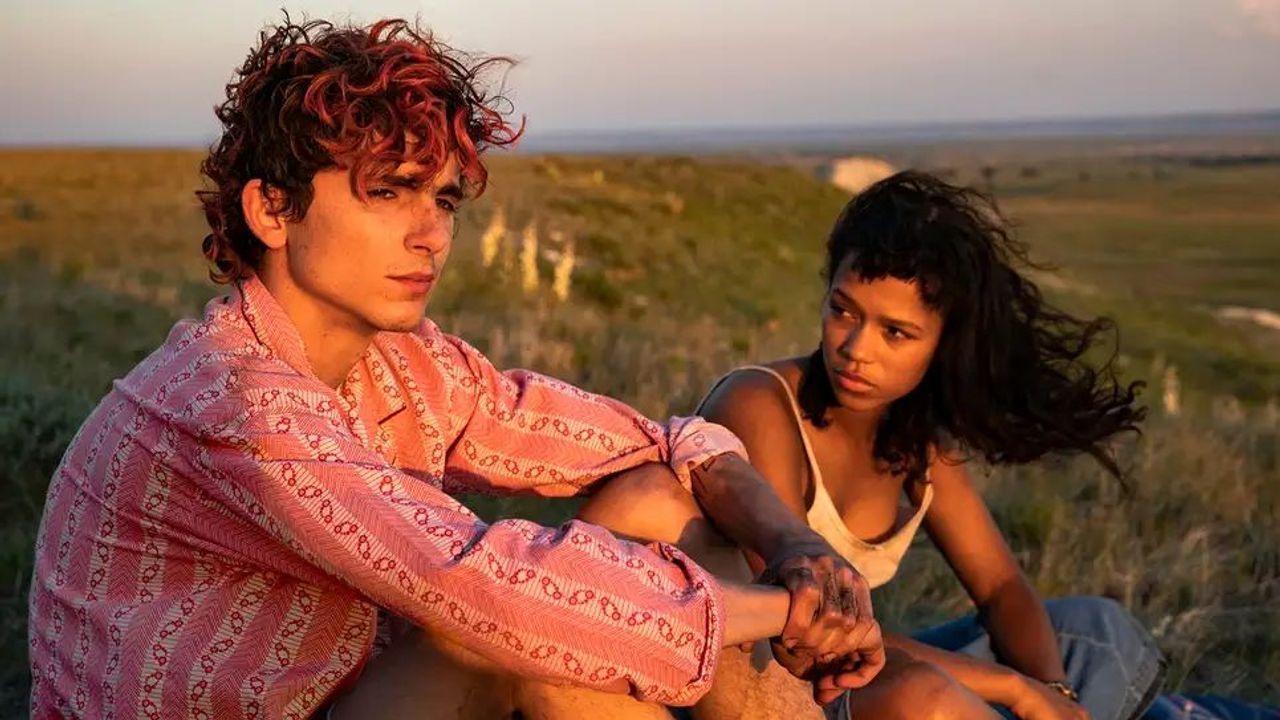
Bones and All is a 2022 film directed by Luca Guadagnino, based on the novel of the same name by Camille DeAngelis (published in 2015). Rated 6.8/10 on IMDb and receiving 82% fresh tomatoes from critics on Rotten Tomatoes, the film is a bloody, melancholic, bizarre, and deeply tragic journey of two characters named Lee (played by Timothée Chalamet) and Maren (played by Taylor Russell) on the path to fulfilling their deepest yearnings.
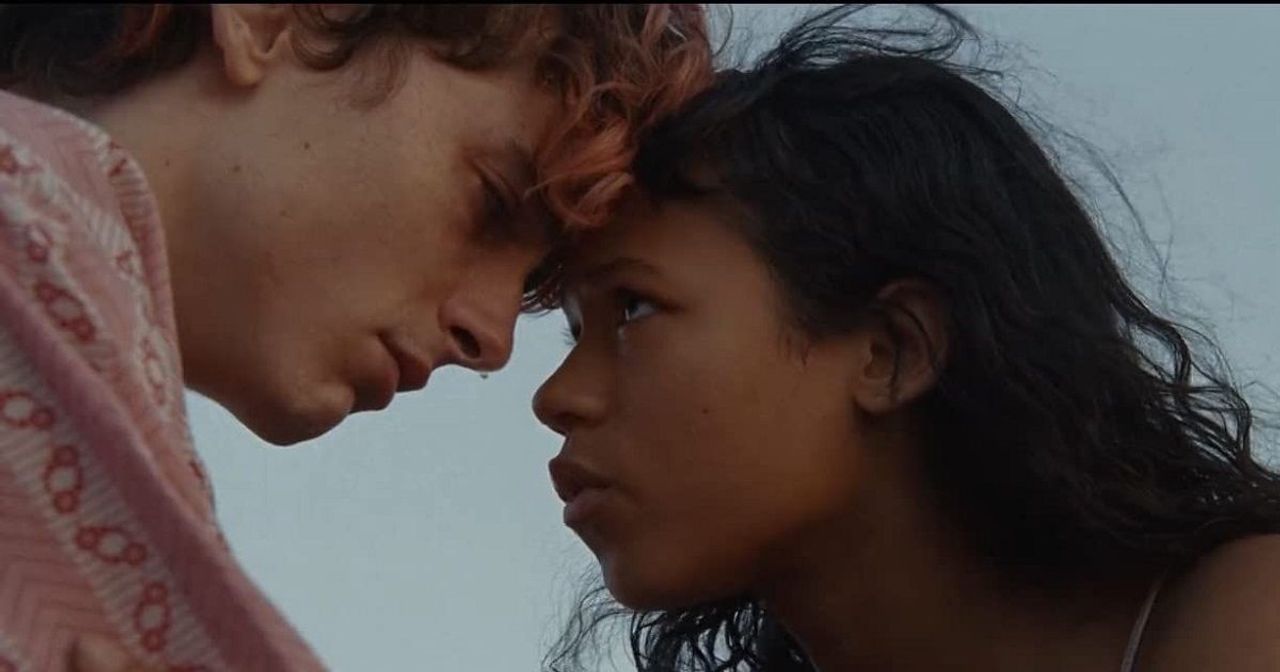
Before elaborating on what the aforementioned yearnings of these two characters are, it must be noted that this is not an easy film to watch. The gory and starkly horrific scenes can easily make the majority of the audience cringe. But like a 20-year-aged bottle of Barolo—astringent and demanding—once we fathom its depth, we gradually realize just how haunting its fragrance can become. And here, Bones and All is precisely that. When we overcome our initial prejudices to step into the world of the "Eaters," we see it is a bloody yet profoundly sincere love letter dedicated to the outcasts. People who, surprisingly enough, are not so different from us. The film was not made simply for us to pity them, but to see ourselves within them; to see that anomalous part; to see the hidden yearnings for the right to be loved; to be accepted despite differences; and the right to live as one's most intact, authentic self in a society where it is so easy to scrutinize people through the lens of prejudice, forsaking the clairvoyance for the uniqueness of each individual (something pre-programmed from the moment we are born), both biologically and sociologically.
Because the film itself has an abundance of layers to unpack, I will focus solely on a small cross-section of it, a theme that I consider the most pivotal and the central thesis of the entire film: yearning.
II. THE COLLISION BETWEEN THE EGO AND SOCIETY
The film transports us back to 1980s America, in a small, dreary town, told through the perspective of Maren, an 18-year-old teenager living with her father after her mother abandoned them when she was little. Initially, Maren appears as a solitary girl, socially withdrawn with few friends. Things only shift when she accepts an invitation to a party from one of her rare schoolmates. The moment she defies her father's curfew to sneak out and attend that party is the moment she crosses her Rubicon—a decision that we know will alter this teenager's life forever.
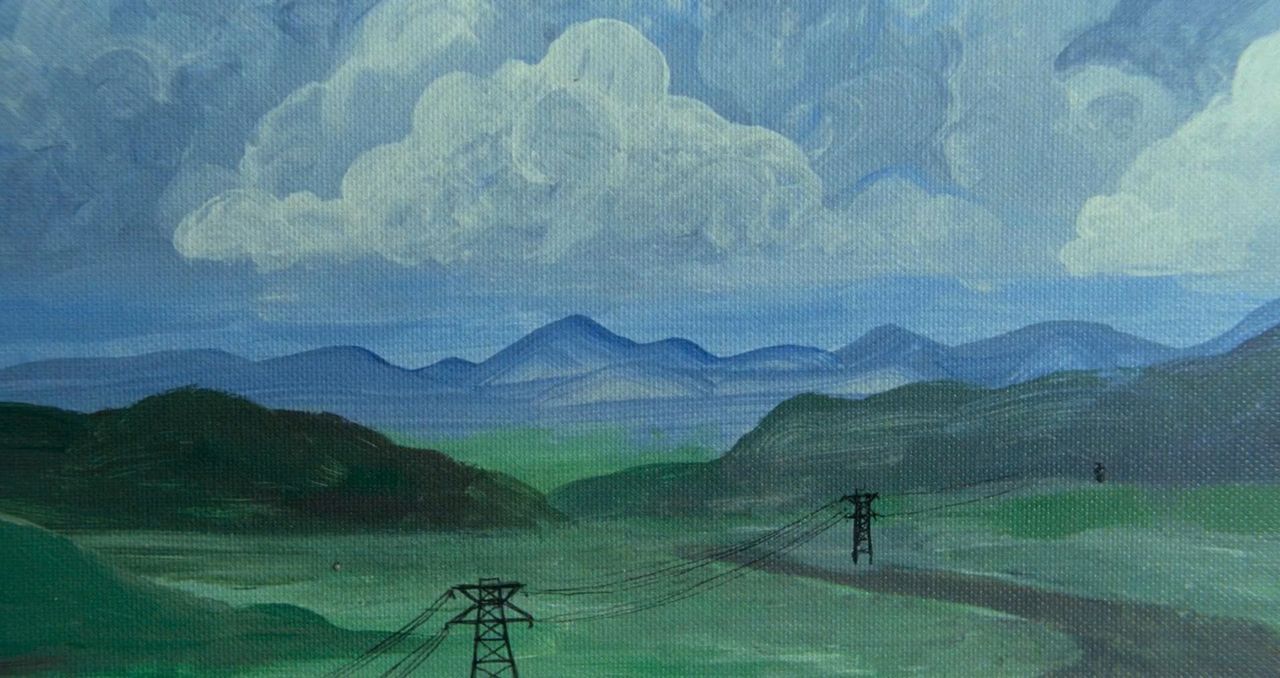
There were always signs of this. Right at the beginning of the film, we are shown a series of frames featuring interconnected utility poles on lush green hills, a motif that repeats when Maren steps out of her house, followed by the camera panning straight up to these continuous poles. This is a warning; those utility poles represent civilization, the facade of society. They stand upon the grass, which symbolizes nature, the primitive, and the inherent essence of each individual. This is an impossibly elegant and subtle wink from director Luca Guadagnino hinting at the first, and most crucial, collision of the film: the ambiguity and imperfection between the primitive self and societal standards, between free will and the invisible wires of prejudice.
And at that horrifying party, in a fleeting moment, Free Will triumphed when Maren bit off the finger of a friend. But sadly, it was a victory akin to that of the French Revolution—flawed and incomplete.
Fleeing in a panic, Maren is terrified of everything that just transpired; of herself; of truly seeing herself for the first time—an existential crisis far beyond the endurance of an 18-year-old girl.
Confronting her father upon returning home, Maren perhaps detects something familiar in his horror. It seems that beneath all that fear, there was already psychological preparation. That perhaps, this wasn't the first time.
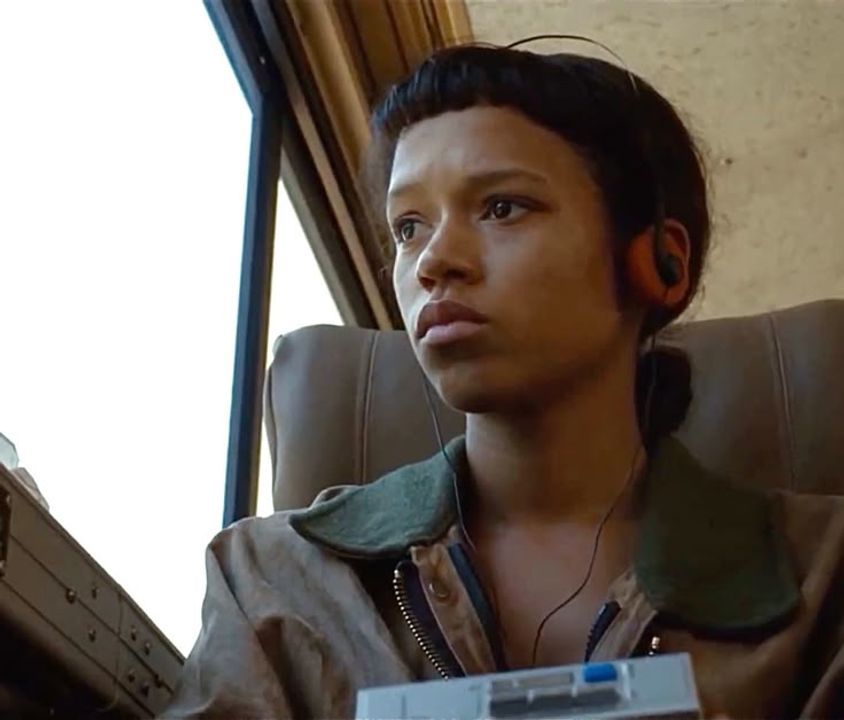
Following that hasty nighttime escape, the film shifts to a setting months later, on an ordinary morning in a desolate place. Maren wakes up with absolutely no concept of a separation, an indirect rejection that created yet another monumental turning point for this teenager. Her father had left; all he left behind was some cash and a small cassette tape. On it, he recounted everything: from Maren's infancy to her growing years; where her mother is and how to find her. Her father's tales of her childhood truly shattered the girl completely. If previously, the incident of biting a classmate's finger could be excused as a loss of control or an ironic moment of impulse, now, through her father's words, she is stunned to realize it wasn't the first time. This is her true self. It is her, the one just discarded by her closest kin; it is her, the child who ate her babysitter years ago; and it is her—an anomalous creature, the most accursed in society's moral coordinate system. She herself had consumed her own kind. The realization that even the person who loved her most fled in terror is a blow devastating enough to push anyone to the brink of collapse, breeding a bone-deep self-hatred, and unconsciously exiling oneself forever from all human social systems.
And there is a profoundly fascinating detail in this film. Notice that all the Eaters in the movie, apart from consuming human flesh, possess absolutely no superpowers. They, in their essence, are ordinary humans and unfortunate victims of their own genetics (note: this is a theory, but through Lee's father and Maren's mother, there is a high probability this anomaly lies within some genetic code). This, above all else, prevents us from complexifying them into anything other than "human." They know pain, they know how to love, and they know how to hope just like anyone else. This is the core sociological anchor for the entire narrative. When we are forced to view them as humans, we cannot blame, loathe, or alienate them, because they are us. But they belong to a vulnerable group in society, one that needs to be recognized, cared for, and helped.
Looking at the broader picture, we see this is a brilliant allegory for any human coming-of-age journey. When we first discover the deepest secrets within ourselves, and if those secrets do not align with the social contracts or the heavily conditional and unjust "openness" of society (which can be termed the "privilege" of a normal person), we inadvertently become anomalies deserving of condemnation or hatred. An undeniably accurate equivalent in our current society is the LGBTQ+ community. They must live with the reality that who they love, what they are, is viewed by society as a toxic, "unnatural" virus. Though this is entirely biologically false (e.g., seen in penguins or swans), in the minds of those born with the privilege of being "normal," within a system designed to protect them, cognitive blindness and a rotten lack of empathy are (disgustingly enough) incredibly easy to cultivate.
To be fair, today's society has become much more open regarding this, thanks to movements fighting against gender discrimination (notably Pride). However, the seeds of discrimination today are far more insidious. I once read a comment by some French critic about Call Me by Your Name (another film by Luca Guadagnino), which I believe serves as the perfect example of this subtle prejudice and the supremacy of those harboring this "heterosexual privilege." It read exactly as follows:
"Alors certes, beaucoup de gens vont penser que le film est trop centré autour du sexe ou même que ça peut-être un peu gênant de voir deux hommes faire l'amour… C'est le genre d'homosexualité qui ne me dérange pas. Au contraire, l'homosexualité qui me dérange ce sont les LGBT qui proclament le fait d'être homosexuel. Là ce n'est pas du tout le cas, ce sont juste deux hommes qui se sont rencontrés et qui sont tombés amoureux."
I will roughly translate this into English as follows:
"So certainly, many people will think that the film is too centered around sex, or even that it might be a bit awkward to see two men making love... This is the kind of homosexuality that doesn't bother me. On the contrary, the homosexuality that bothers me is the LGBT who proclaim the fact of being homosexual. That is not at all the case here; these are just two men who met and fell in love."
At first glance, everything seems quite fine, as this guy perfectly applied the "Hamburger" method to his critique. The only difference is that the meat of this Hamburger is rotten beef heavily seasoned with the hypocrisy of fake "open-mindedness." He states, "This is the kind of homosexuality that doesn't bother me. On the contrary, the homosexuality that bothers me is the LGBT who proclaim the fact of being homosexual." This might sound somewhat reasonable if merely skimmed. But upon closer reading, we realize he is saying the kind of homosexuality he accepts is the quietly aesthetic kind—the kind where the characters don't scream to the world who they are, and don't express themselves in what he views as an excessive manner (perhaps he forgets that it was the 1980s, with homophobia at its peak, and admitting same-sex attraction at that time could easily get you burned at the stake like heretics under Mary I of England, aka Mary Tudor). Our society's acceptance of the LGBTQ+ community today is the inevitable result of relentless struggle and a massive ideological movement. And remember, if humans were merely silent beings, accepting who they are under the shadow of shame, women today would still be seen merely as breeding machines, people of color would still be treated as commodities, and colonialism or slavery would still blatantly exist under such docile endurance.
Please note, however, that this comparison is purely allegorical, based on the similarities between marginalized groups in society. Because the nature of the LGBTQ+ community and the Eaters are fundamentally different. Gender or sexual diversity is the sharing of love based on mutual consent and absolutely does not violate the "Non-Aggression Principle." It causes no physical harm to anyone. Conversely, cannibalism, although stemming from an uncontrollable biological instinct, is essentially the deprivation of another's life. However, both communities carry the stigma of societal prejudice, especially the Eaters, as they toe the line of basic moral principles. And even though I personally do not agree with or advocate for actions that cross the bounds of human ethics, I must still assert that if the Eaters had received society's care, empathy, and help from the very beginning, tragedy would not have befallen them or the communities they inhabit. This is exactly the main thesis I will apply to the case of Sully, an equally crucial character in this entire story.
Returning to the film, after wandering across several US states to reach her mother, Maren meets Sully, an old man around 70, who constantly refers to himself in the third person and, unexpectedly, is also an outcast like her. He calls people like himself and Maren "Eaters," and he has a clear rule: Eaters do not eat each other. But there is something so off-putting about him that not only we, but young Maren, in her most lonely and vulnerable moment, feels unsafe.
Through his recount, his first time eating human flesh was at his grandfather's funeral, under his mother's cover-up. He knew who he was from a very young age, and precisely because of that, he ran away from home early and has been completely solitary ever since. Sully is the most objective testament to what a divergent human can become when ostracized from the world. He harbors warped, perverted mindsets (braiding the hair of all his victims into a giant rope of hair). He is profoundly lonely. When he found Maren, he saw her as a companion, a salvation for his life. However, his very lack of social interaction (evident in his frequent use of the third person, something usually only children do) or the experience of true love led him to love Maren with a distorted, controlling, and toxic affection. He wanted her all to himself, regardless of whether she wanted it or not. Through Sully, we see how society, with its apathy and prejudice, by abandoning the vulnerable who need help, leads to a tragic end for them, those around them, and the very society they (despite being rejected) inhabit.
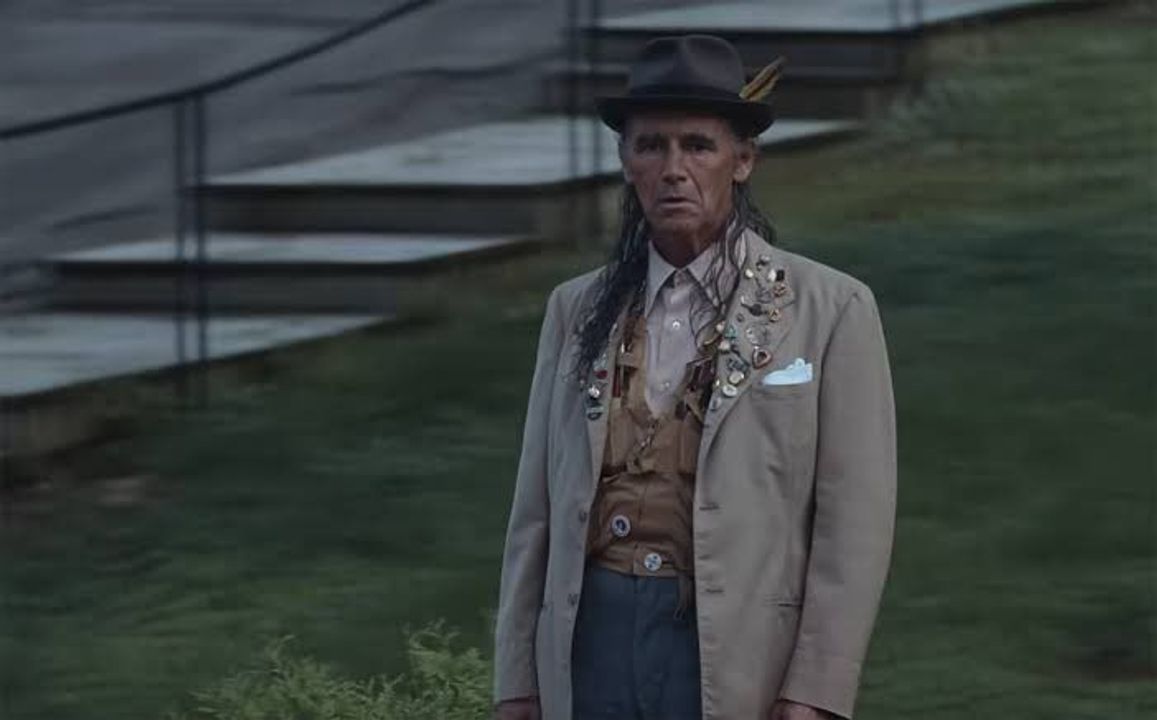
And after escaping from him, as she should, Maren meets Lee, a boy only a few years older than her. And this is exactly when the marching song of these two drifters truly begins.
III. ARISTOPHANES AND THE MARCH OF THE OUTCASTS
In Plato's Symposium, Aristophanes, the ancient Greek playwright, steps up to tell us about the origin of love and human yearning to be loved. In this tale, humans originally possessed a spherical shape, with four arms and four legs, two faces looking in opposite directions, and two sets of genitalia. Back then, there were three sexes: male-male, female-female, and male-female (a rather intriguing articulation considering ancient Greek society, where same-sex love was considered normal). Humans at that time were strong, complete, and almost omnipotent. However, due to their arrogance, which blasphemed the gods, Zeus decided to split them in half, giving us the appearance we have today. This inadvertently rendered us weak and incomplete, leading to the reality that we must spend the majority of our lives searching for our lost other half.
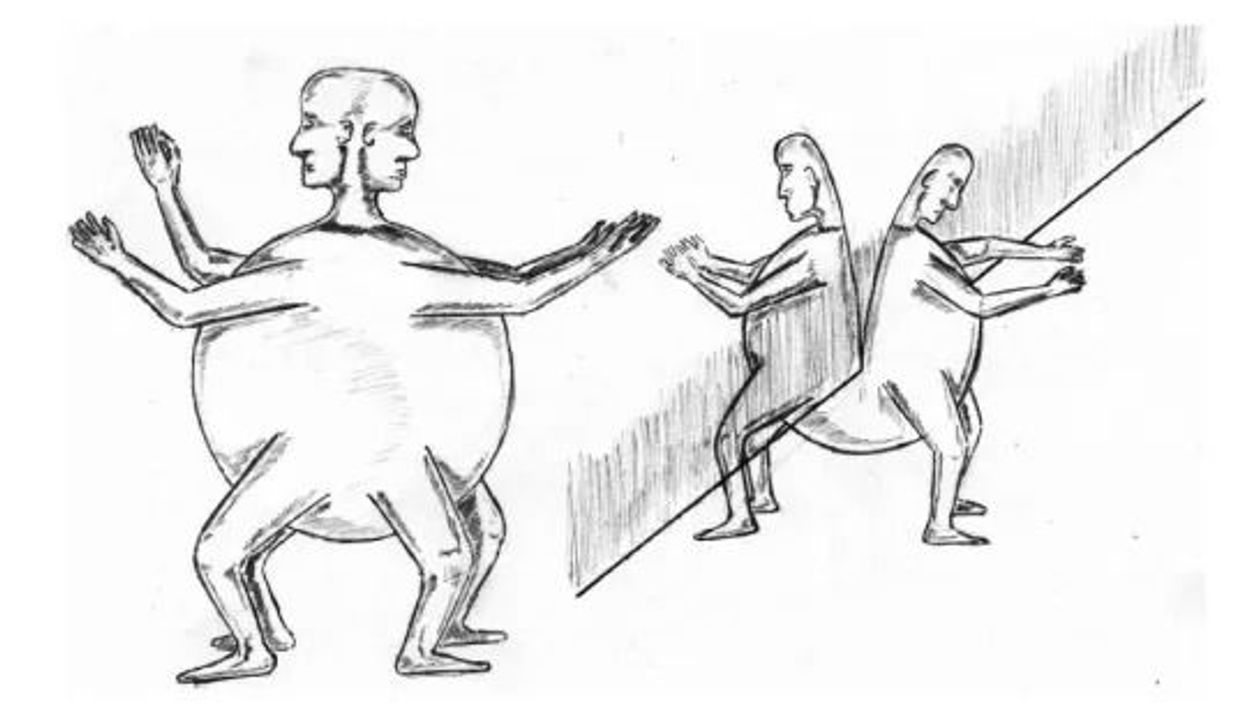
Therefore, according to Aristophanes, love is the story of two entities sharing one soul; it is born from deprivation, from weakness, and from the most fragile aspects of humanity. In other words, love is the resin—natural and pure—that binds two cracked, deeply wounded, and lonely entities throughout their coming-of-age process. A concept that, up to the present day, retains its original value after thousands of years. A world where humans remain shattered entities, and love remains the resin gluing us together.
Placing this story in the context of Lee and Maren, we see an uncanny resemblance. These two individuals, sharing the same instinct, the same species, and the same profound loneliness, found each other. Maren first meets Lee at a convenience store; they instantly recognize the presence of another Eater (a rare superpower that nature, with its venomous sense of humor, bestowed upon the Eaters). Lee emerges as a kind-hearted boy; he steps up to protect a mother and child after they were bullied by a drunkard. Their conversation then unfolds outside the store, right after Lee has just "disposed" of the man. Their journey officially begins when Lee agrees to accompany Maren to find her mother.
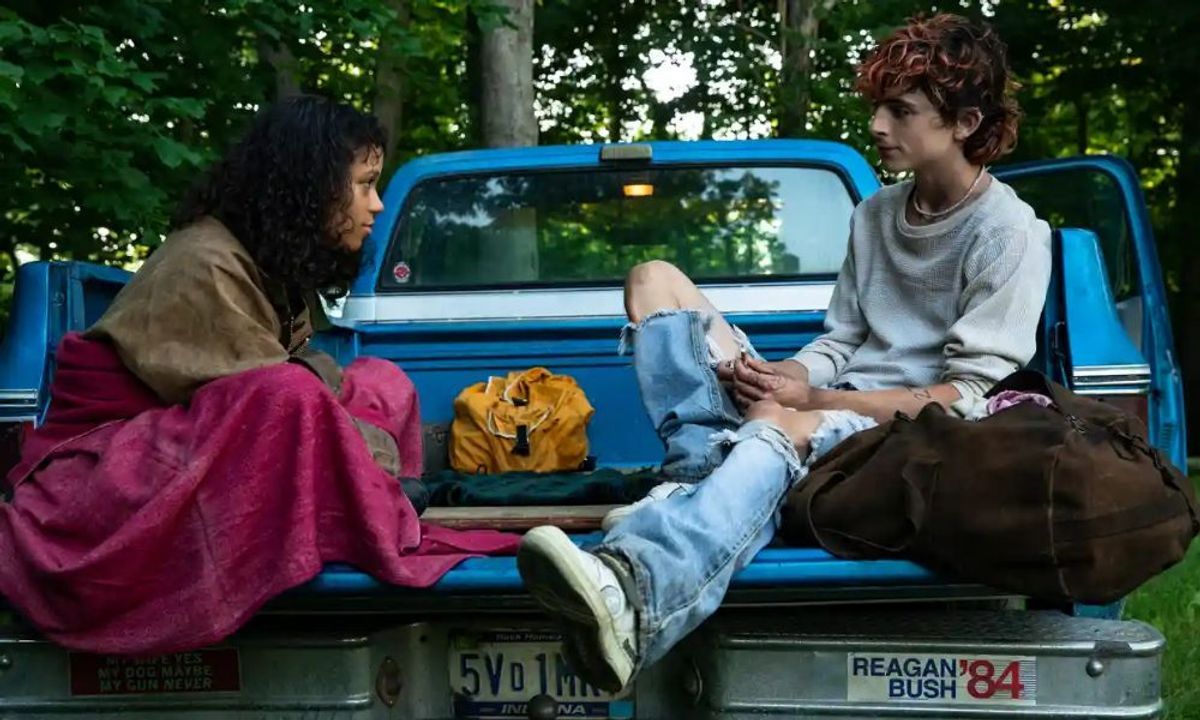
Lee operates on a clear but perilous rule: he only eats those he deems the worst and most rotten scum of society. And after eating, he always goes to their home address listed on their ID to check. With this drunkard, he got lucky, as the man had no family, or pretty much none.
After traveling across a few different US states together, they stop by the house of Lee's aunt, who passed away not long ago, to use as a waypoint. It is here that we are introduced more thoroughly to Lee's family. He has a younger sister and a mother, while his father, according to Lee, vanished without a trace years ago. Through the encounter with his sister, we also learn that Lee frequently disappears for weeks before returning (the reason for which, perhaps, all of us understand). And despite his sister's desperate pleas for him to stay, Lee continues his journey with Maren.
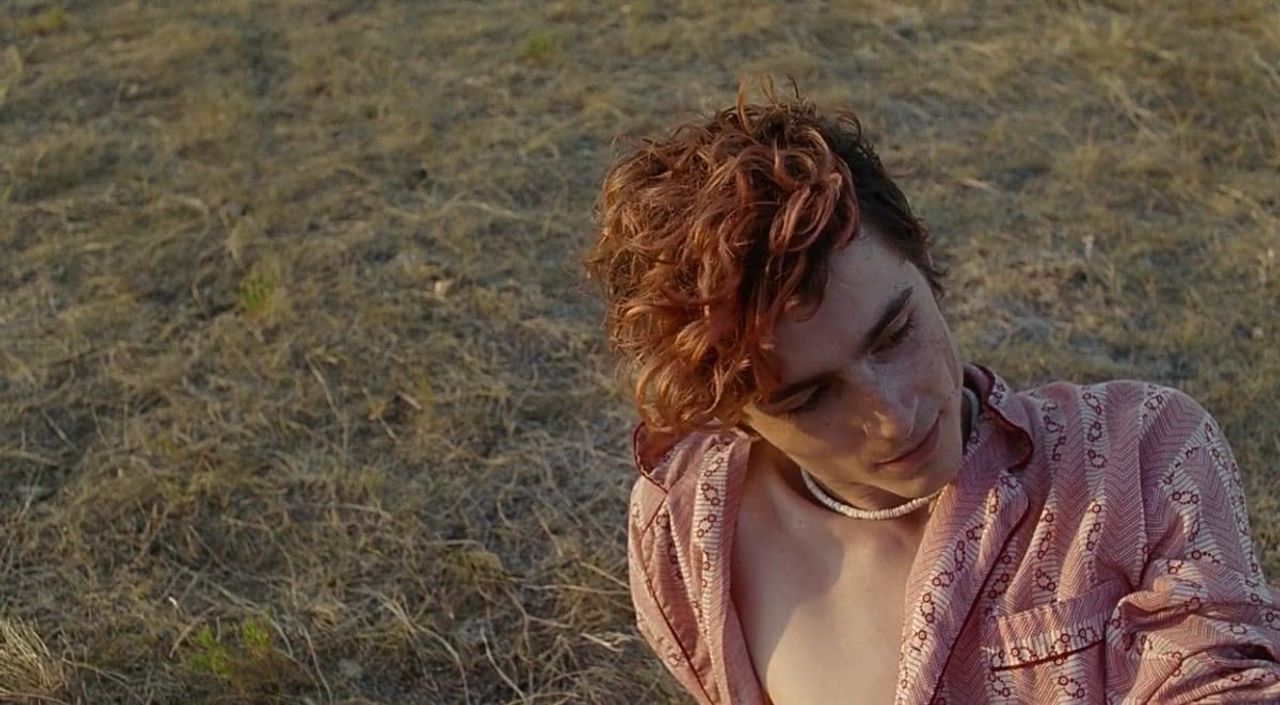
Through Lee, we also witness another tragic allegory of the outcasts. While Maren was abandoned by her family because of her anomaly, Lee was forced to leave his loved ones behind because of that very same anomaly. It shows us that sometimes, if a divergence is not understood, it doesn't just push our loved ones away from us, but it forces us to distance ourselves from them. In Lee's case, we see that he and his sister genuinely love each other deeply, but how could Lee ever tell her the truth? When the society they live in, instead of helping, feels disgusted by it? He had to hide that truth to protect his family, to keep from hurting anyone, so his sister wouldn't break down knowing that her own brother, in a brawl with their abusive father to protect the family, had to eat his own father so he wouldn't be eaten himself? A truth that, I believe, no one could bear.
Continuing to follow this duo, we meet a few more anomalies (which I will analyze further in the next section) before they arrive at a carnival. Here, Lee encounters a game booth vendor who seems quite nasty and arrogant. Convinced that this guy is bastard enough to become the next victim, Lee lures him into a cornfield after the carnival ends and finishes him off. After feasting, he and Maren go to the man's address to check, as usual. But here, and perhaps for the first time, Lee must pay the price for the danger inherent in his own rule.
"WE DIDN'T KNOW! WE DIDN’T KNOW!"
That is all Lee can say to Maren after they uncover the horrifying truth that the man had a family, a wife, and a young child. Leaving in a state of panic and ultimate remorse, they decide to head towards the town listed on Maren's birth certificate to find her mother, as a desperate attempt to compensate for this second existential death.
And after meeting her mother's former adoptive family, the Kerns (of which only an old woman remains), Maren discovers that her mother is also an Eater and is currently residing in a small hospital in Fergus Falls. Arriving there in nervous anticipation, her mother seems to be Maren's final hope for unraveling everything that has happened, and her last hope of finding the sole blood relative who might accept her.
But standing before Maren now is a woman missing both her arms, her mind no longer stable. The attending nurse hands Maren a letter her mother wrote to her 15 years ago. In it, she recounted the whole situation: why she left, how she once believed love could be big enough to nurture everything... But it was too late. That letter could never replace a mother, a mother who is now nothing but a soulless, unaware shell who even tries to attack her own daughter.
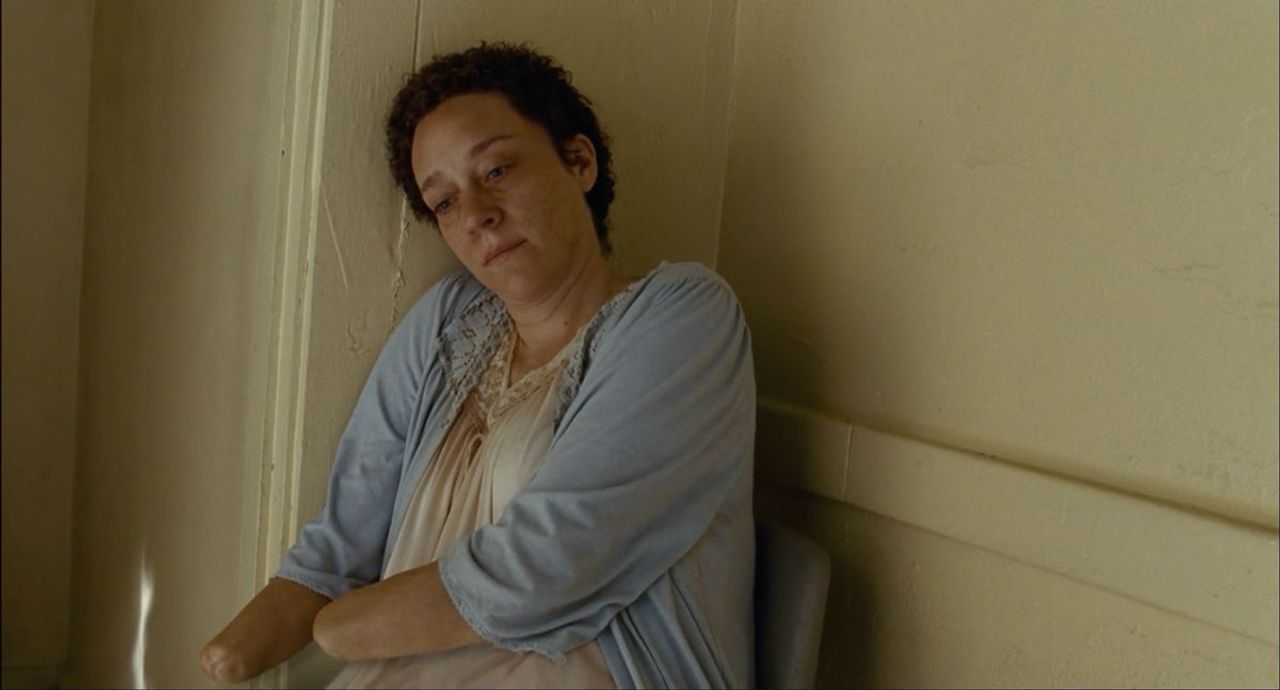
"I once believed love was enough." This sentence is a sharp blade slicing into Maren's open wound. She is already distraught after the carnival incident. She is terrified, believing that love cannot be meant for creatures like her; that the love within her is a ticking time bomb, waiting to explode, destroying the ones she loves the most, and even the most innocent.
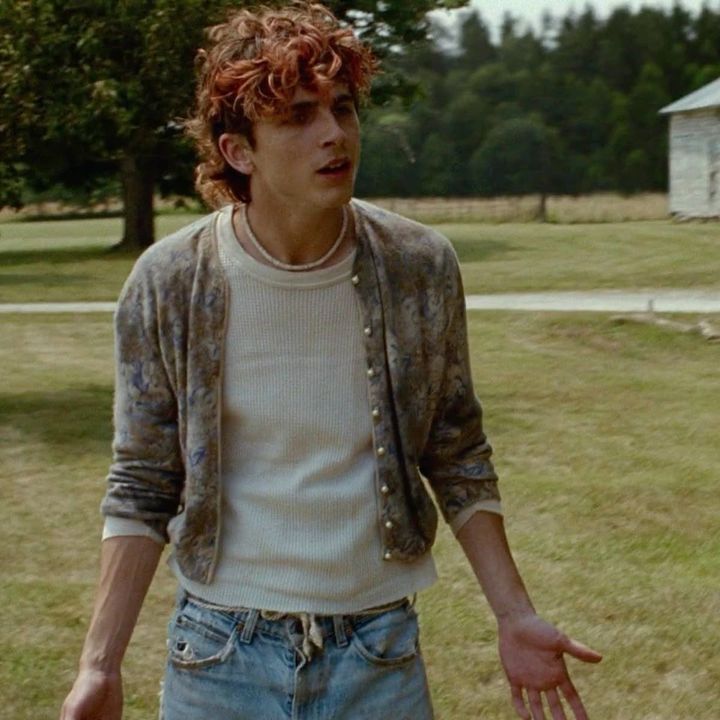
"YOU ARE SCARED BECAUSE YOU SEE YOURSELF FOR THE FIRST TIME, AND I WAS SCARED TOO!"
That is what Lee says to Maren during their argument in the hospital parking lot. They are both drowning in their own fears. Lee is terrified because the moral values he believes in are crumbling; he is hopeless in his effort to compromise his primitive instinct with the "social contract." Meanwhile, Maren is terrified that this love will lead to a tragic end for both of them, and that love simply wasn't made for them. And that very afternoon, while Lee was sound asleep, Maren left.
Here, we witness the intergenerational trauma of the Eaters. They have never had a complete life. Because it is a hereditary trait, generation after generation, they hurt each other or struggle not to hurt each other. They might leave, like Maren's mother, or stay and torment their own family, like Lee's father. Ultimately, it is not entirely their fault; they were born this way, and pitifully, they must endure punishment simply for being born. This is also a real-life reflection of our own lives. In the book It Didn't Start with You by Mark Wolynn, or the Phantom theory of psychologists Nicolas Abraham & Maria Torok, we are clearly shown how the traumas or terrible experiences of previous generations can impact us. Unconsciously, we are affected by them. In one way or another, we will end up being too much like them, or we will radically rebel against everything they stand for, or we might unconsciously seek out partners with flaws and personalities identical to theirs. For example, a little girl who was never loved properly will tend to seek out terrible men in her future. Simply because she doesn't believe she deserves such a luxurious love, as she never deemed herself worthy of affection. That is but a tiny example, and despite countless others, their common thread will always be the colossal traumas left for the generations that follow.
But love, as I have said, is the resin that binds two damaged entities together. Only by truly daring to talk about it, facing it, and walking together to overcome those traumas can a person accept living with those ghosts without letting them dictate their life anymore. And more than anyone, I wish it were as easy to do as it is to say.
IV. MAYBE LOVE WILL FREE YOU
Returning to the moment Lee and Maren encounter the other anomalies. They are two middle-aged men, tall and burly, who seem friendly upon recognizing their own kind. However, the couple quickly senses something twisted about the second man, realizing he is a completely normal police officer who eats human flesh solely to serve his own sick, perverted desires. Lee and Maren cannot hide the disgust in their eyes. It is an utter insult: he possesses all the privileges of a normal human protected by society itself, yet he consumes human flesh just to satisfy a sick hobby. Lee and Maren's disgust is aimed at a man who mocks their own desperate yearning to be normal humans. He treats cannibalism as a pastime to kill time, not a need for survival. They are repulsed by the rot of the privileged in society. And this is the true face of those hypocritically "civilized" societies. The privilege protecting those within it also breeds an apathy toward the pain of others, because they have never had to endure it as an "unalterable punishment." They even turn that pain into a joke, an entertainment to satisfy their own sickness (such as the wave of queerbaiting).
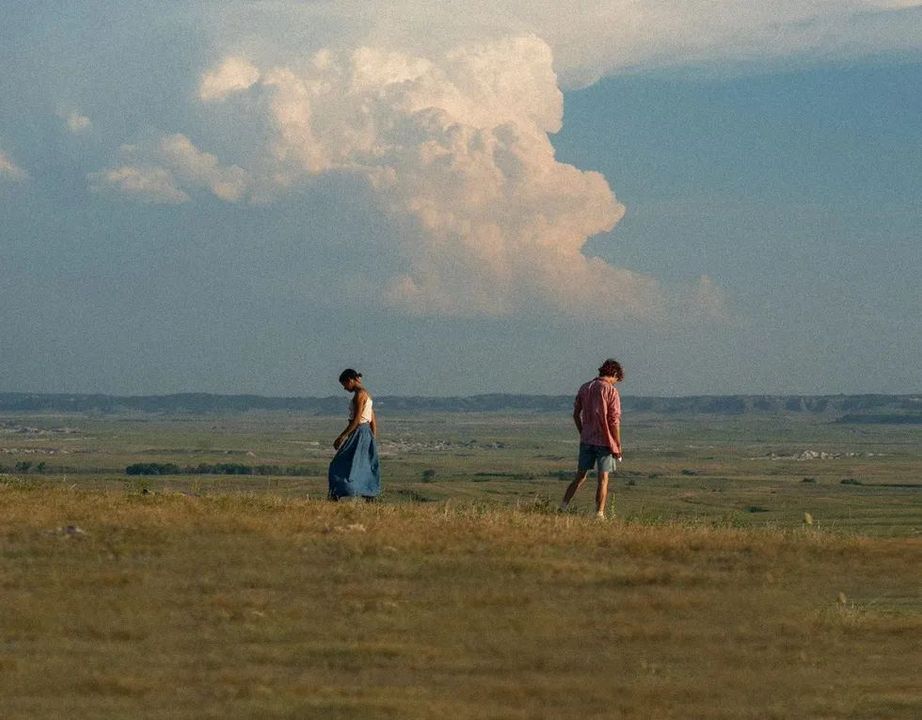
"Maybe love will free you"
That is what the other Eater, accompanying the cop, says to Lee while wearing a savage, arrogant, and challenging smile. A desperate, yet deeply cynical, remark.
Months after that event, and after Maren left Lee, we see her returning to the town where he lives. Finding his sister, she also learns what happened four years ago between Lee and his father. Naturally, Maren knows what Lee truly did. And that truth doesn't make Maren disgusted; rather, it makes her love and empathize with him even more. And empathy is precisely where love is born.
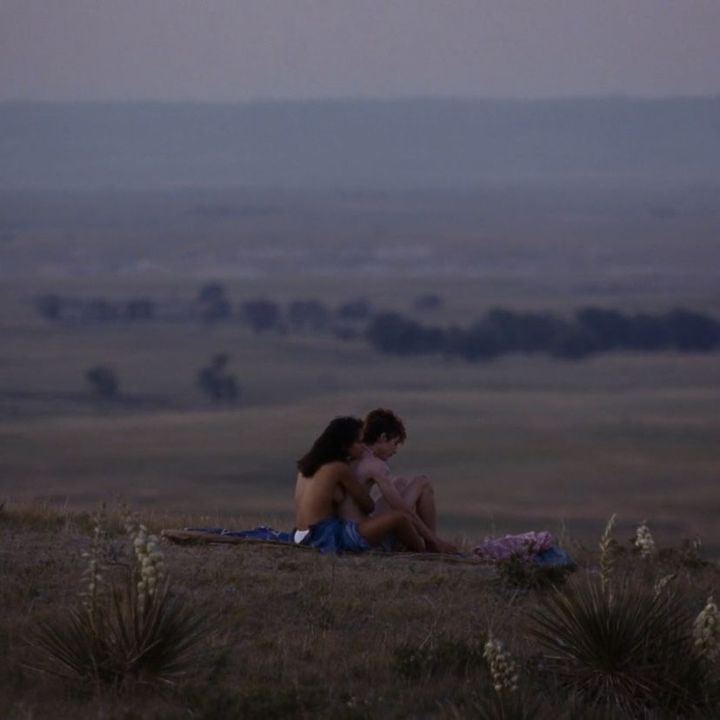
“You don’t think I’m a bad person?”
“All I think is that I love you”
Their subsequent conversation on the hill, after they decide to continue traveling across the country together, is a scene that would not be an exaggeration to call the moment love "freed" them. Lee, enveloped in Maren's protection and love, accepts to forgive himself for everything that happened, accepting that it was not his fault. And most importantly, on that hill, those two entities truly became one—in their profound empathy and boundless affection for the traumas, the past, and the divergent essence of the other. This is the moment Aristophanes spoke of, and also the moment they are liberated by love, where they are no longer Sully, no longer their parents, no longer that twisted cop.
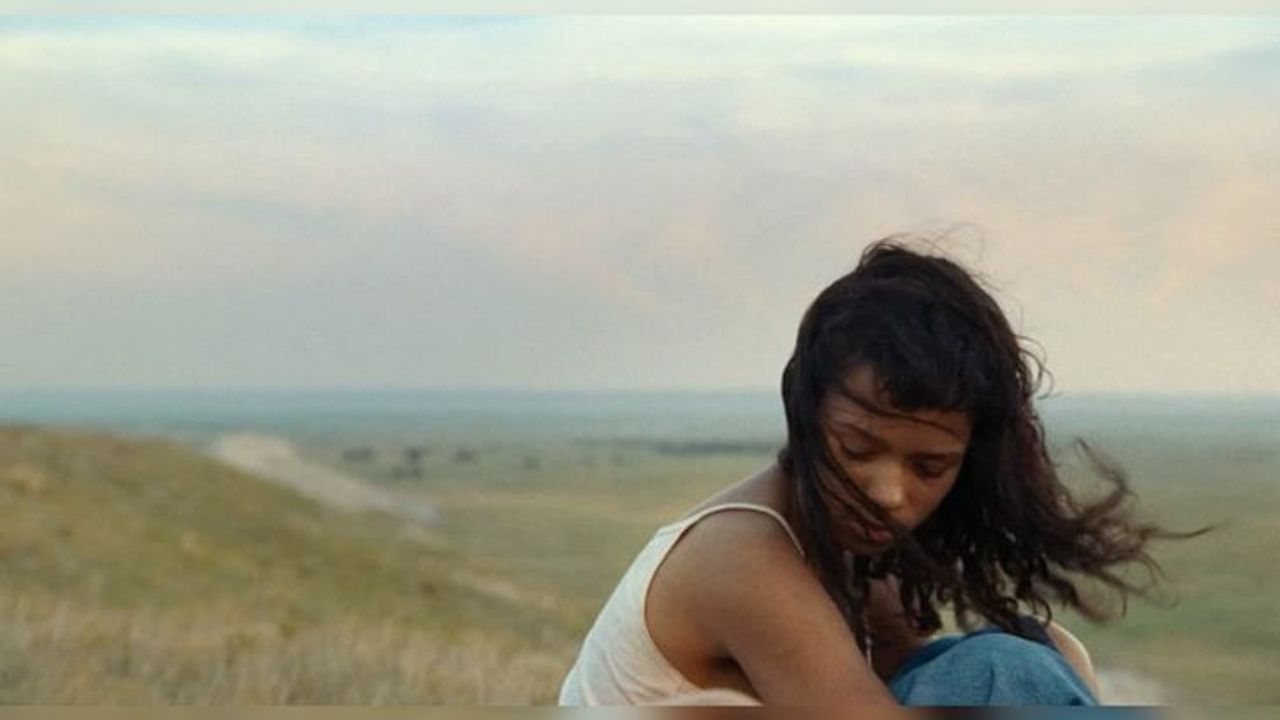
"Like people do"
This is what Maren says to Lee on that hill, a place void of any utility poles, before we are given a wide shot where the two figures shrink against a majestic hillside. They look incredibly small, yet they are no longer alone.
The film shows us a fulfilling vision of Lee and Maren living together about a month later. They are fulfilling their promise: "to become normal people." But once again, tragedy strikes. And this time, the cause is not them, but another familiar face: Sully. In a frenzy of controlling obsession and the fear of abandonment, he breaks into their apartment, attacks Maren, and in the ensuing struggle with Lee, Sully is stabbed to death—and so is Lee.
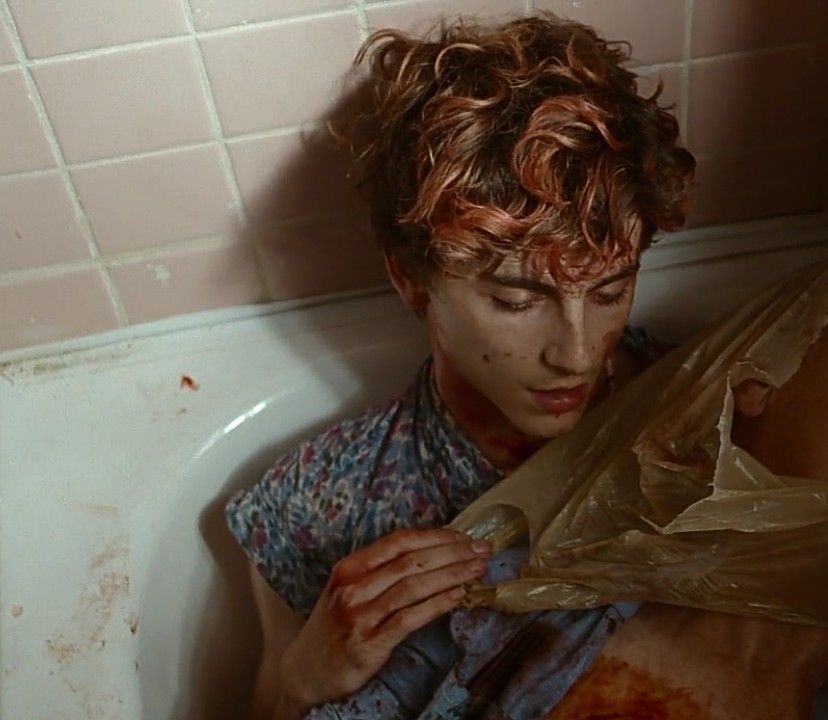
"I WANT YOU TO EAT ME, BONES AND ALL"
Reflecting on Aristophanes' myth, he also recounted that in the beginning, when humans were first split, lovers who found each other chose incredibly bloody methods of loving. To satiate the longing and the void of their "other half" over their lifetime, they clung to each other, refusing to let go. Going deeper, Aristophanes did not intend to advocate for this (proven by the fact that Zeus later saw this as an issue and fixed it in his myth). The Greek playwright used that story to express the human desire to be loved and to fuse one's essence with another. The core is to explain why we want to be with the one we love, and why we can love someone so fiercely.
Thus, we see Lee's dying words carrying a haunting, bone-deep sense of devotion. A phrase that, amidst the salty tears streaming down Maren's cheeks, becomes the starkest, most primitive emblem of the yearning to be loved, to be accepted, and to become one with the person you love forever. This is not a sentence representing a gruesome, condemnable act; if we look closer, it is an allegory for the entire yearning to be accepted and to be with the one you love. Hence, in that moment of life, death, and parting, the phrase emerges as a fight for the most intact form of love—pulling it above all prejudices, all ugliness, all mundane flaws, and transcending both the arrangement of fate and the decay of the biological body. In other words, if we view this phrase through a broader lens, it is a declaration of love in the most primitive and human way imaginable—a declaration that couldn't be more "Aristophanes."
V. THEY ALL SMILED LIKE ME AND YOU
Bones and All is a memorable film. It is not merely a Coming-of-age movie, but a film about love, about humanity, about yearning, and about society. The love in Bones and All is a love built from destruction only to become eternal, fueled by the desire to live, to love, and to be one's true self.
Parallel to love, it is also a manifesto warning society against the apathy, callousness, and indifference towards the vulnerable demographics that need help. Against the blind prejudices regarding divergence, and about the paramount importance of being seen and loved within every soul. And privilege is something that shouldn't exist, because the greatest right for a human being from birth is to be loved, to be accepted, to be understood, and to live fully. And this is perhaps partly why Lee and Sully had to die; not exactly to condemn Sully, but to condemn the very society that created Sully. A tearful, tragic sacrifice, yet enduring and carrying immense weight.
To conclude this analysis, I would like to borrow a small lyric from the song "Hey, That's No Way to Say Goodbye" by the musician Leonard Cohen:
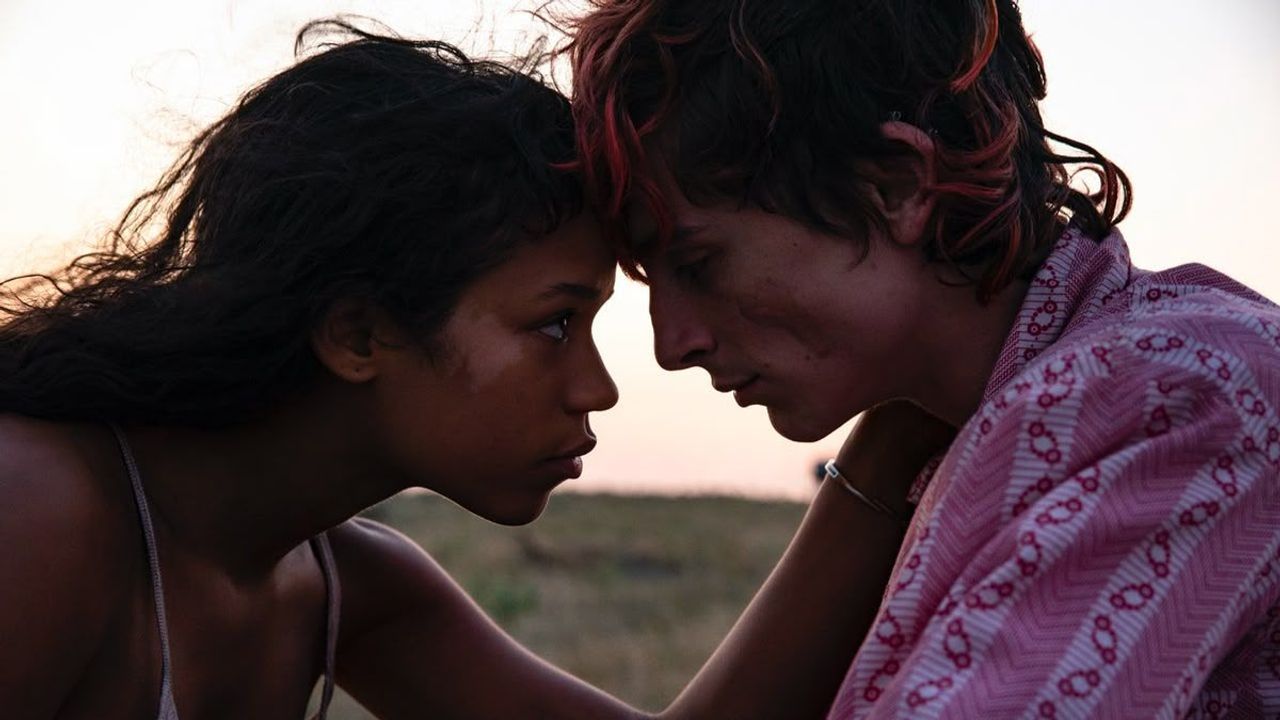
"YES, MANY LOVED BEFORE US, I KNOW THAT WE ARE NOT NEW
IN CITY AND IN FOREST, THEY SMILED LIKE ME AND YOU"
Whether in the city of civilization or deep in the forest of the ego. Love remains there, and humanity, despite all their imperfections or anomalies, has loved, is loving, will love, and deserves to be loved exactly as they have always been. In the ultimate extreme of wholeness, in Bones and All.

theodore-cohen
@Thedorecohen
Movie
/movie
Bài viết nổi bật khác
- Hot nhất
- Mới nhất